
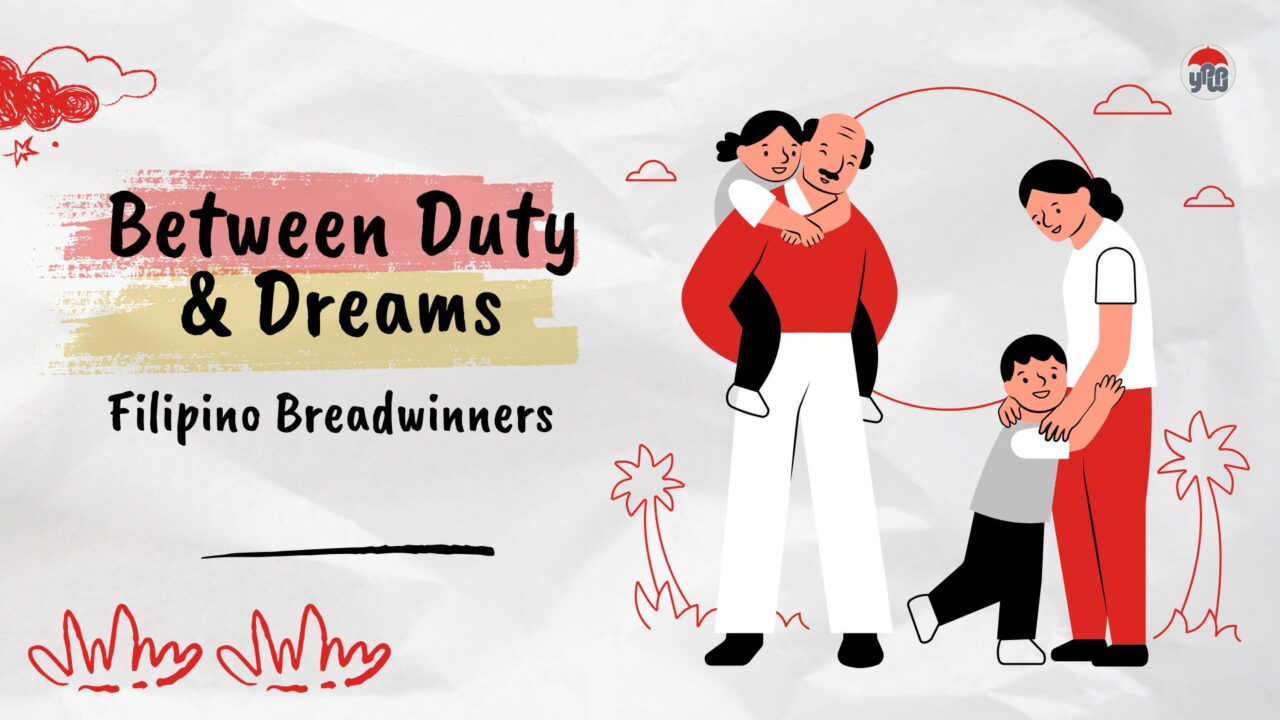
In the Philippines, being a breadwinner is more than just earning a paycheck—it is a lifelong responsibility, a cultural expectation, and, for many, a personal sacrifice. The weight of providing for an entire family often rests on the shoulders of a single individual, creating financial, emotional, and mental burdens that are rarely acknowledged. While this role is seen as honorable, it comes with significant challenges that can affect one’s well-being and future.
The Cultural and Financial Burden of Filipino Breadwinners
Filipino culture is deeply rooted in strong family ties. Unlike in Western societies, where young adults are encouraged to live independently, many Filipinos continue to financially support their families even after starting their own careers. In some cases, this responsibility extends to extended family members, including siblings, grandparents, and even cousins.
The concept of “utang na loob” (debt of gratitude) also plays a huge role in this dynamic. Many breadwinners feel obligated to give back to their parents and relatives, especially if they received financial support for their education. However, this expectation often leads to financial strain, making it difficult for breadwinners to build their own wealth or secure their future.
Major Challenges Faced by Filipino Breadwinners
1. Financial Struggles and Budgeting Issues
The rising cost of living in the Philippines makes it increasingly difficult for breadwinners to provide for their families. Monthly expenses such as rent, utilities, food, education, and healthcare can take up the majority of their income, leaving little room for personal savings or investments.
Many breadwinners resort to loans or credit cards to cover urgent needs, leading to a cycle of debt. Without proper financial planning, they often struggle to break free from this burden.
2. High Expectations and Family Dependency
Many families rely heavily on their breadwinners, often expecting them to provide beyond their means. Some parents, siblings, or relatives may become financially dependent instead of seeking their own sources of income. This creates a never-ending cycle where the breadwinner becomes the family’s primary financial lifeline.
This expectation can sometimes lead to guilt and pressure, making it hard for breadwinners to say no—even when they themselves are struggling.
3. Work-Life Imbalance and Mental Health Struggles
With the heavy burden of providing for their families, many breadwinners take on multiple jobs, work overtime, or even move abroad as Overseas Filipino Workers (OFWs). While these sacrifices help them earn more, they often come at the cost of personal well-being.
Constant stress, exhaustion, and lack of time for oneself can lead to burnout, anxiety, and depression. Many breadwinners silently suffer, afraid to voice their struggles out of fear of being judged as weak or ungrateful.
4. Lack of Financial Literacy and Planning for the Future
Many Filipino breadwinners do not receive proper financial education. As a result, they often focus on immediate needs rather than long-term financial planning. Savings, investments, and insurance are often overlooked, which can lead to financial insecurity later in life.
Without proper planning, many breadwinners find themselves struggling to retire comfortably, becoming financially dependent on their children—the same cycle they once tried to break.
5. Sacrificing Personal Goals and Dreams
Many breadwinners put their own dreams and aspirations on hold to prioritize their family’s needs. Some delay marriage, further education, travel, or starting their own business because their financial obligations come first.
While their sacrifices are admirable, this often leads to feelings of resentment, regret, and unfulfilled aspirations later in life.
How Filipino Breadwinners Can Overcome These Challenges
Despite the challenges, Filipino breadwinners can take steps to create a more balanced and financially stable future:
1. Set Financial Boundaries
While helping family is important, setting clear financial boundaries is necessary to avoid dependency. Encourage family members to contribute to household expenses and seek their own sources of income. Learning to say “no” when needed is not selfish—it is essential for long-term financial health.
2. Prioritize Financial Education
Learning about budgeting, saving, and investing can help breadwinners manage their income more effectively. Seeking financial advice, attending seminars, or working with a licensed financial advisor can provide valuable guidance on how to grow wealth while still supporting family needs.
3. Plan for Emergencies and Retirement
Setting up an emergency fund and investing in life insurance can protect both the breadwinner and their family from unexpected financial crises. Planning for retirement early ensures that breadwinners do not have to rely on their children in the future.
4. Focus on Work-Life Balance and Mental Well-Being
Taking care of one’s physical and mental health is just as important as earning a living. Breadwinners should set aside time for rest, hobbies, and self-care. Seeking emotional support from friends, loved ones, or professional counselors can help manage stress and prevent burnout.
5. Pursue Personal Goals Alongside Responsibilities
Being a breadwinner should not mean giving up on personal aspirations. By managing finances wisely and finding opportunities for growth, breadwinners can still achieve their dreams while fulfilling their responsibilities.
Conclusion: Finding Balance Between Duty and Dreams
Being a Filipino breadwinner is an honorable yet challenging role. While it comes with immense pressure, it is possible to break free from financial struggles and create a more sustainable future. By setting boundaries, improving financial literacy, and prioritizing self-care, breadwinners can fulfill their family obligations while also achieving their personal goals.
At the end of the day, true success is not just about providing for others—it is also about securing one’s own happiness, stability, and fulfillment in life.